Tourniquets
A tourniquet stops severe bleeding from an arm or leg by constricting the entire limb above the injury. It should be carried where it can be reached with one hand.
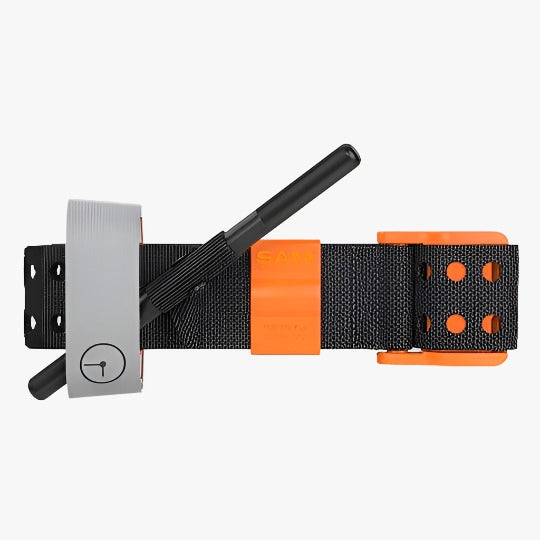
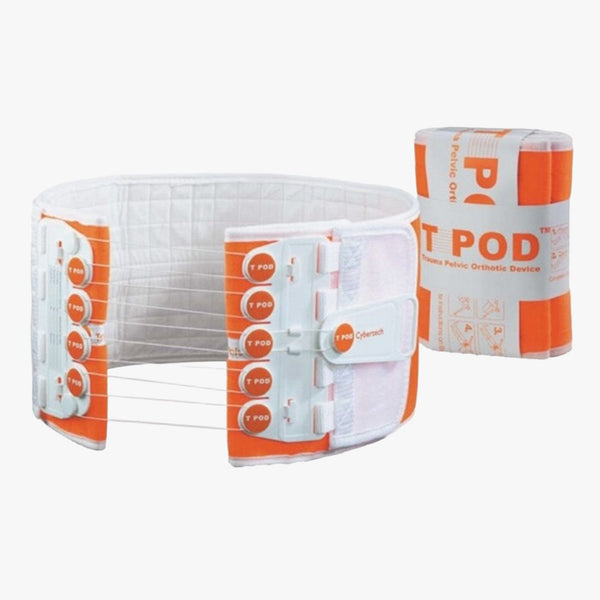
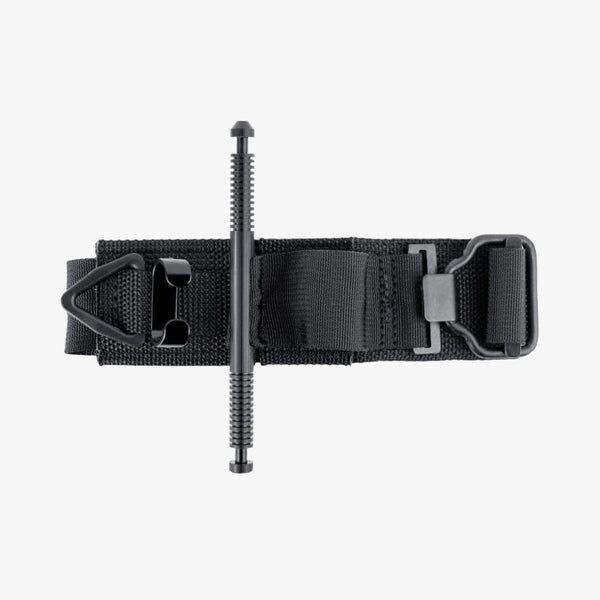
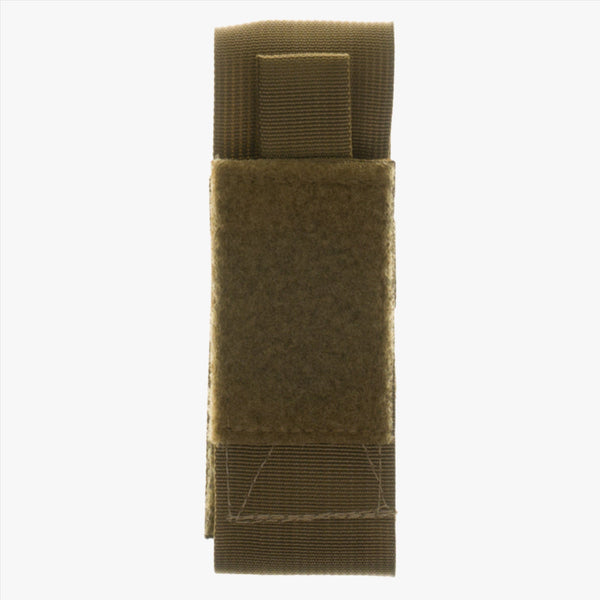
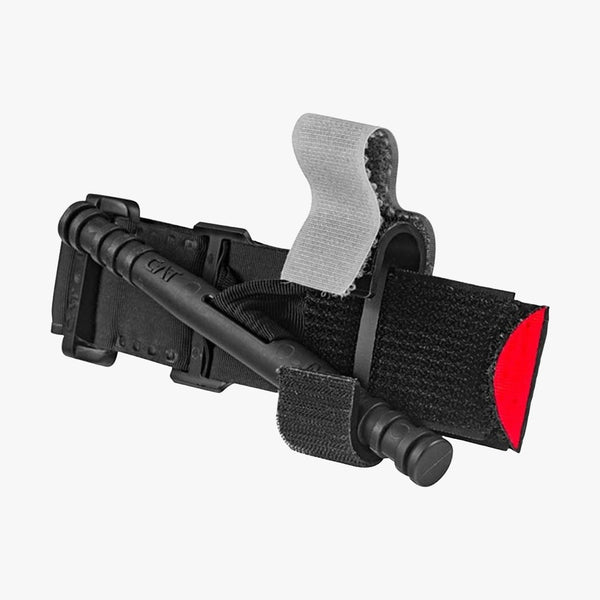
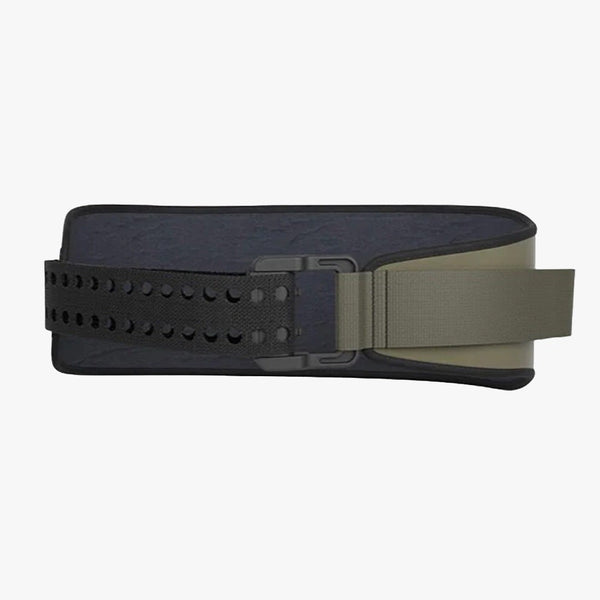
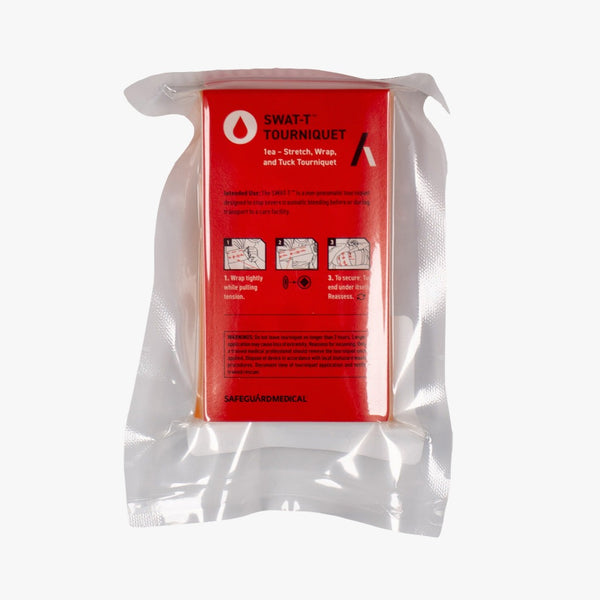
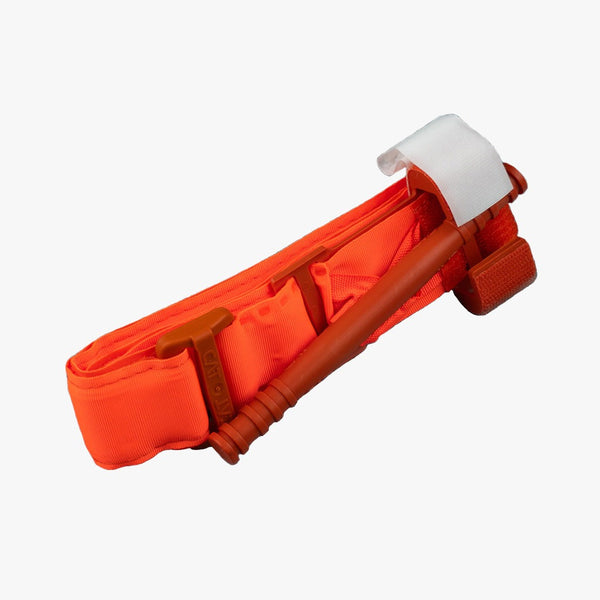
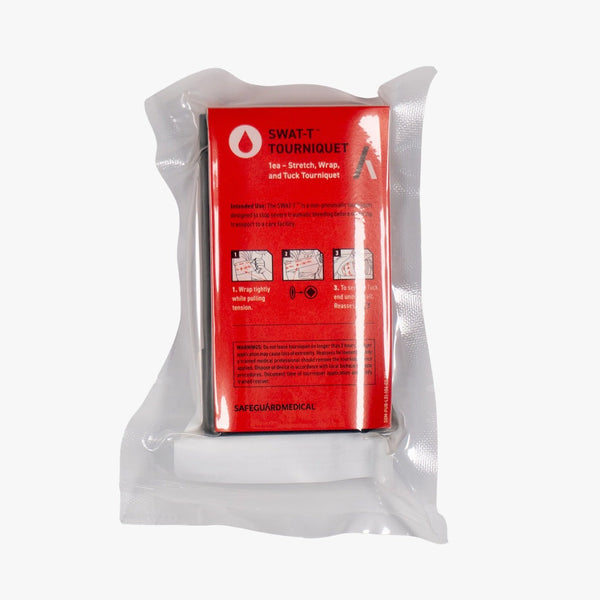
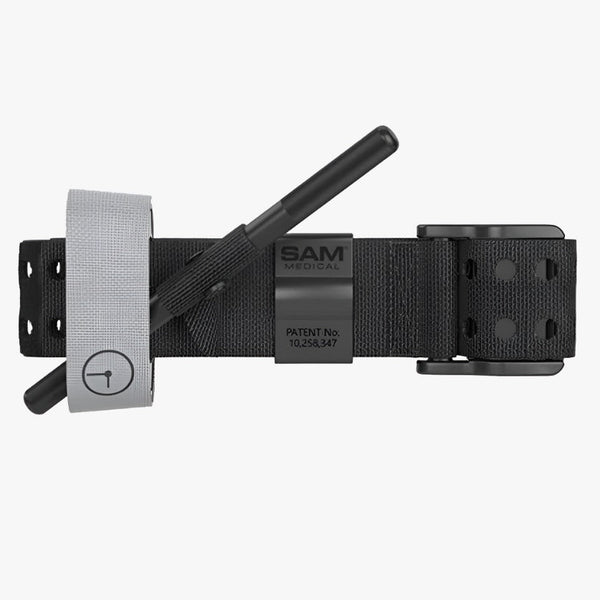
Proven tourniquets for operational use and for training: CAT Combat Application Tourniquet Gen 7, SAM XT Extremity Tourniquet, SOF Tactical Tourniquet Wide and SWAT-T. You will also find pelvic binders and pouches that keep the tourniquet in place.
Tourniquets — all products
Frequently asked questions about tourniquets
Which tourniquet should I choose?
CAT Gen 7 is the standard choice and the model most people have trained on — if you are choosing a tourniquet for a team, familiarity is an argument in itself. SAM XT suits those who want a pre-tensioned strap before turning the windlass. SWAT-T is the most versatile but requires more technique and is also used as a pressure bandage.
Does a tourniquet work on children?
Windlass tourniquets are sized for adult limbs and can be too wide on small arms and legs. SWAT-T, being an elastic band, is the model in the range that covers a wider span of sizes. Which solution is right in the individual case is a matter for training, not for product choice.
Why are tourniquets sold in orange?
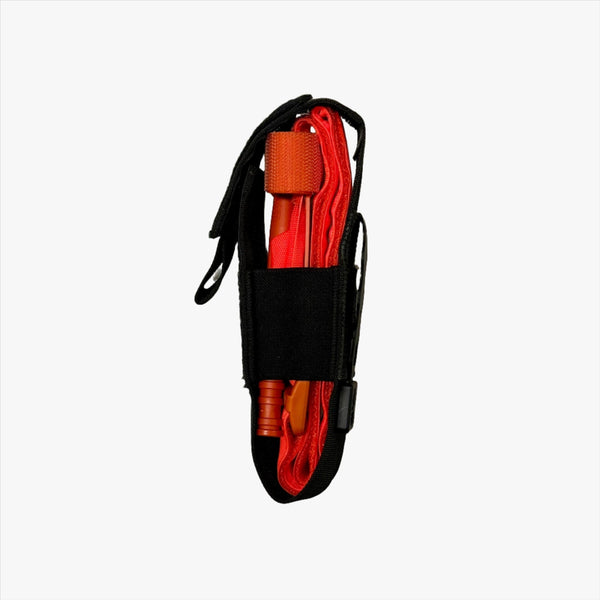
Orange makes the tourniquet easy to find in a bag, in the dark or in snow, and makes it clear to the next care provider that it is on the patient. Black is more common in tactical settings where equipment should not be seen. The function is the same.
What is a blue tourniquet?
Blue means trainer version. It looks and feels like the real product but is intended to be used again and again in training. The colour is there so that training equipment can never end up in an operational kit by mistake.
Guides for Tourniquets
Comparisons of equipment in this category, written by our anaesthetists.
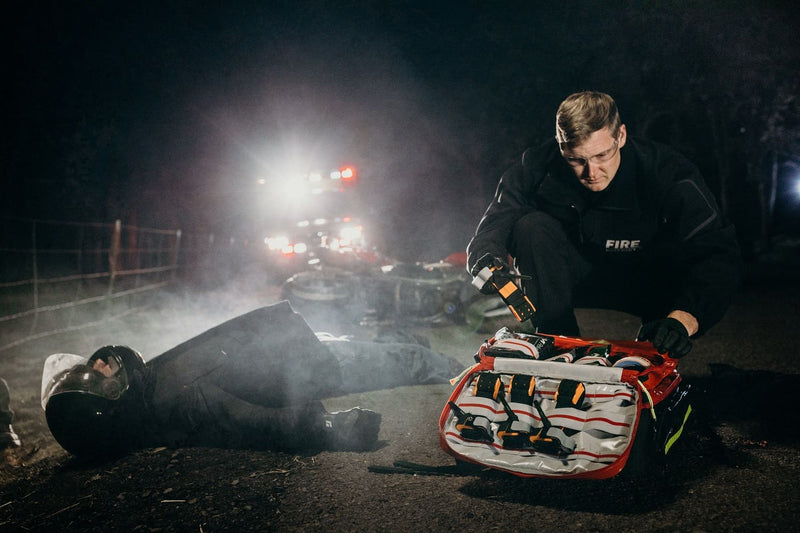
First aid in the car – legal requirements and what you actually need
Written by the Milistuff editorial team – anaesthesiologists and CPR instructors. This text is not legal advice; always check what applies to your organisation...
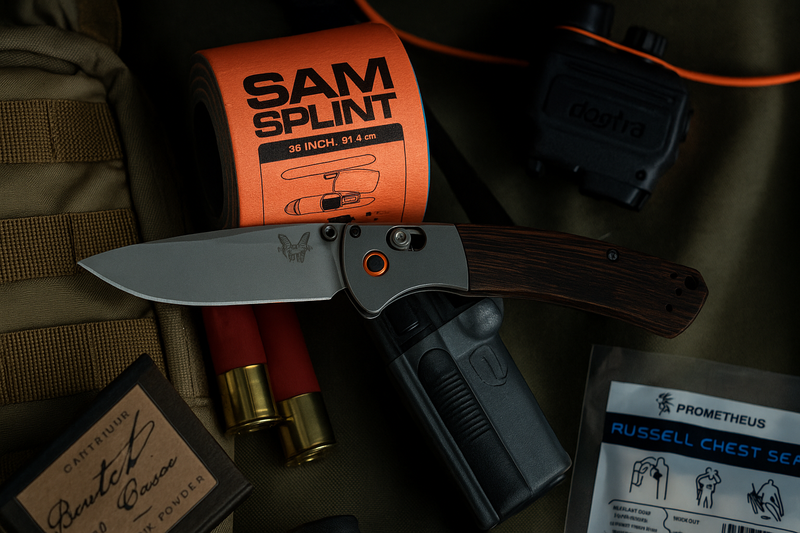
First aid kit: what goes in the bag?
Written by the Milistuff editorial team – anaesthesiologists and CPR instructors. This packing list does not replace training; only carry what you have practised...
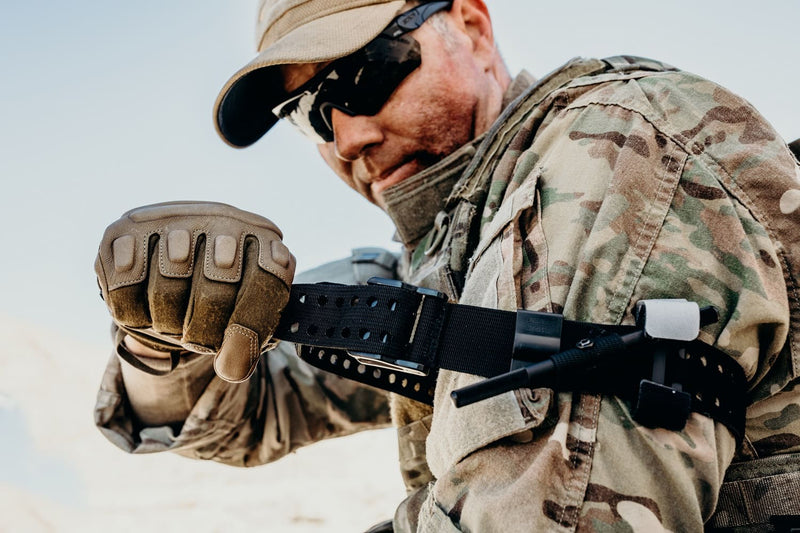
Tourniquet – which one should you choose?
Written by the Milistuff editorial team – anaesthesiologists and CPR instructors. This text does not replace hands-on training, and in a real emergency the...