Tactical clothing
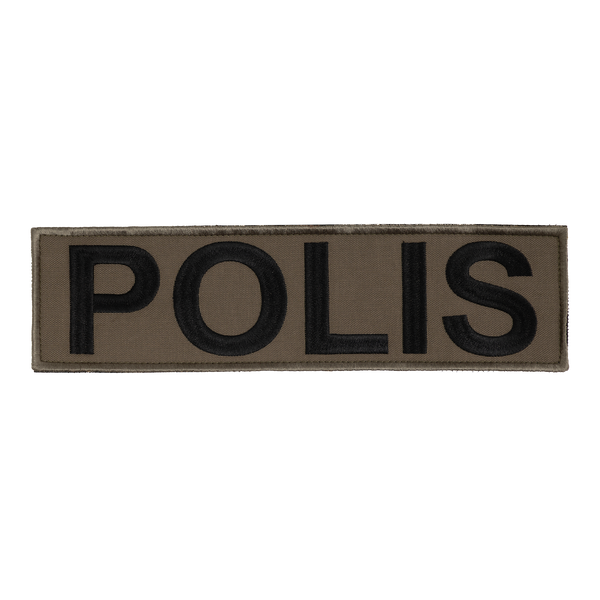
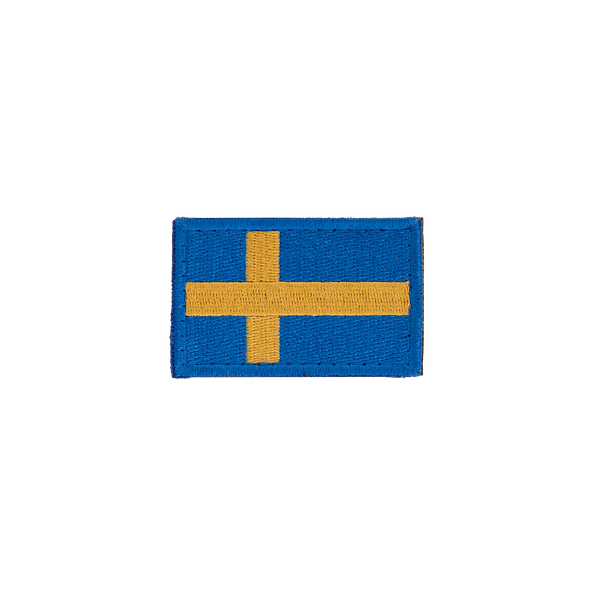
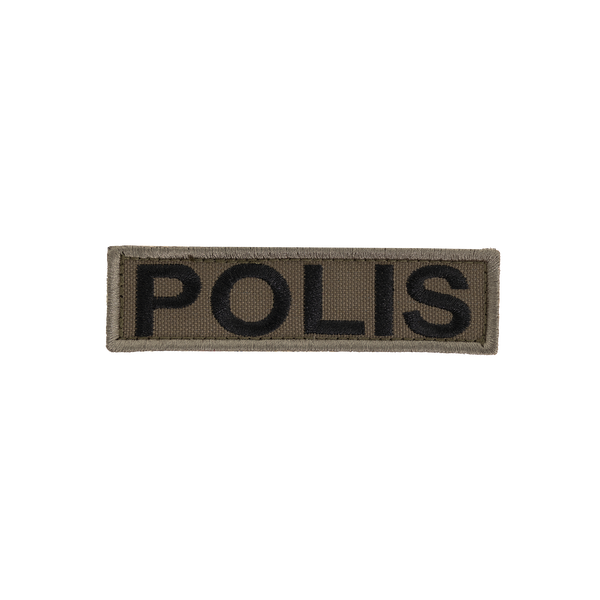
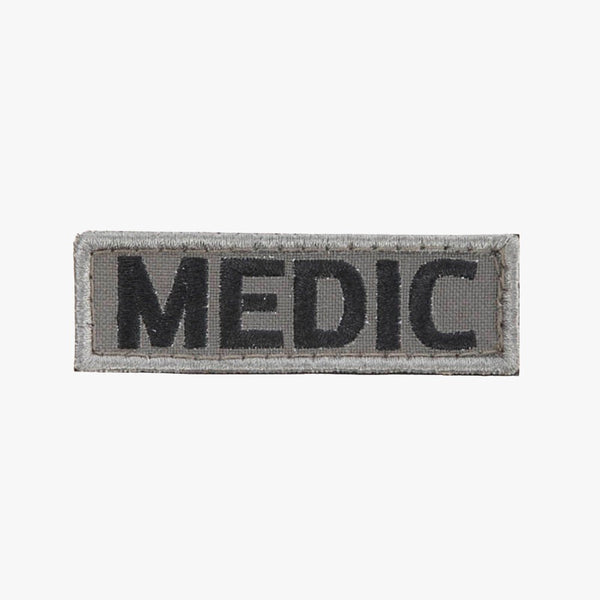
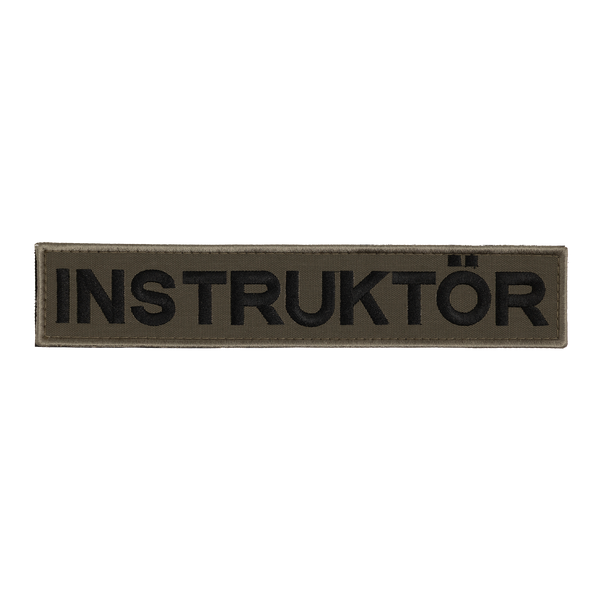
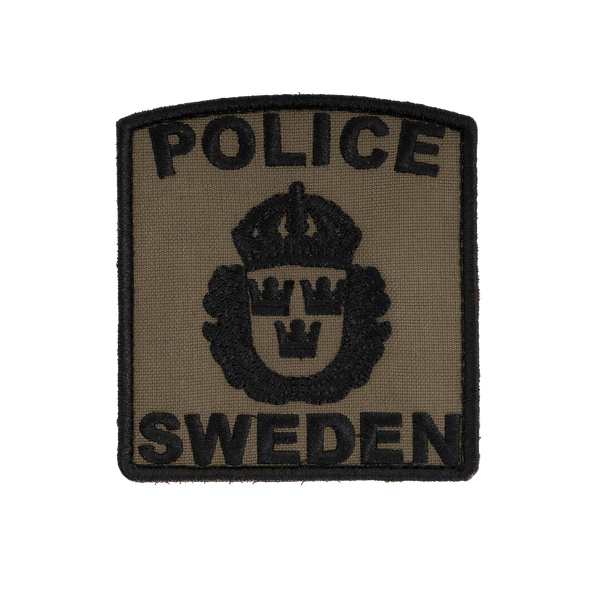
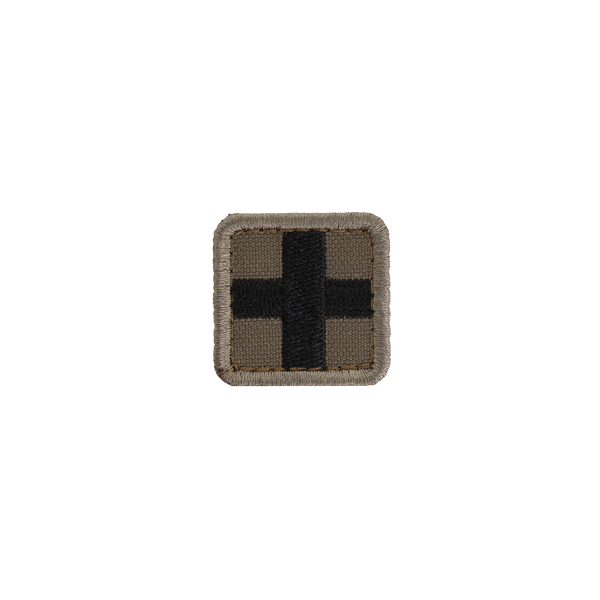
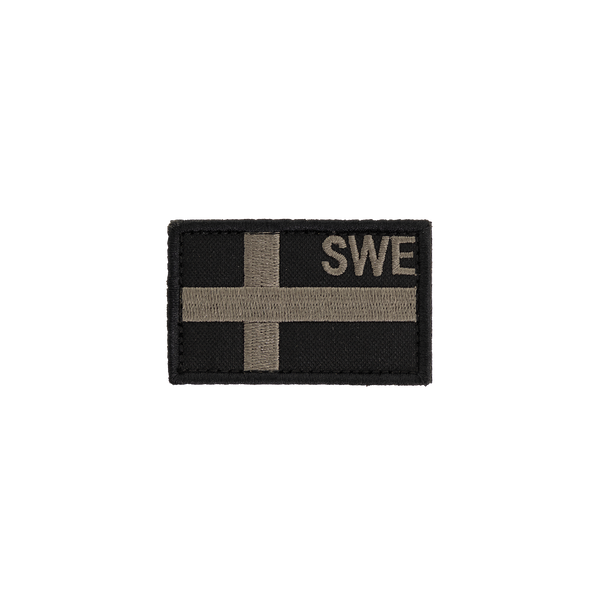
Clothing and protection brings together what sits closest to your body — gloves, flame-resistant headwear and mid-layers — along with the patches that show who you are.
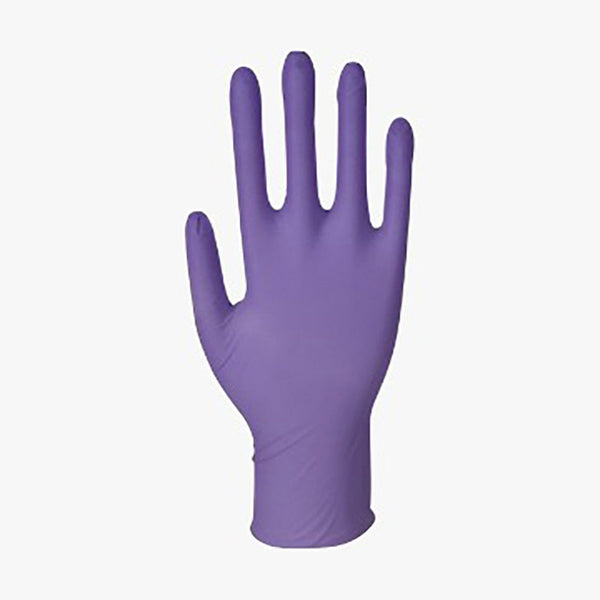
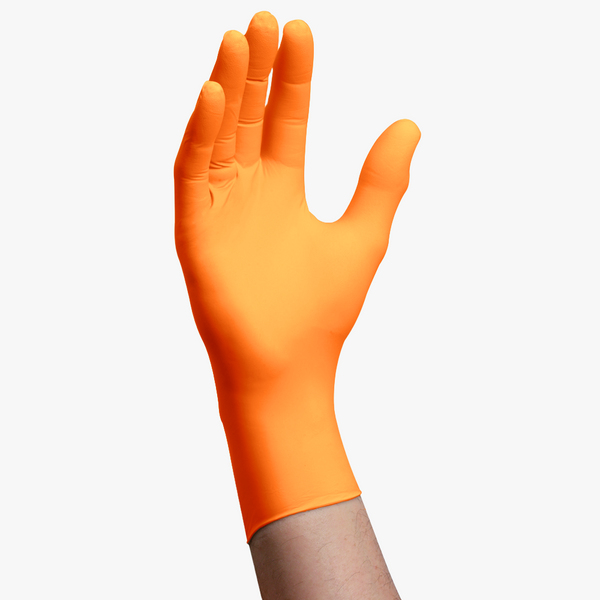
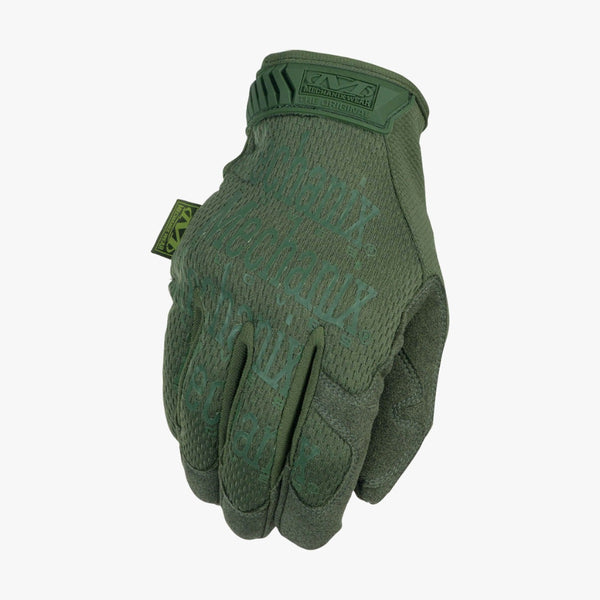
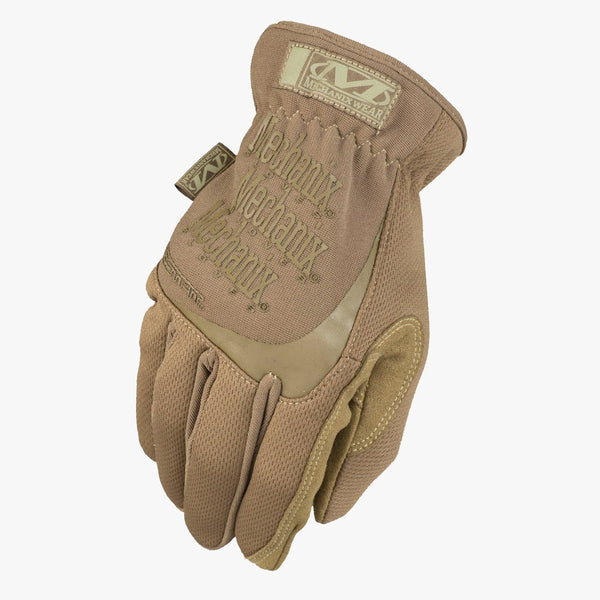
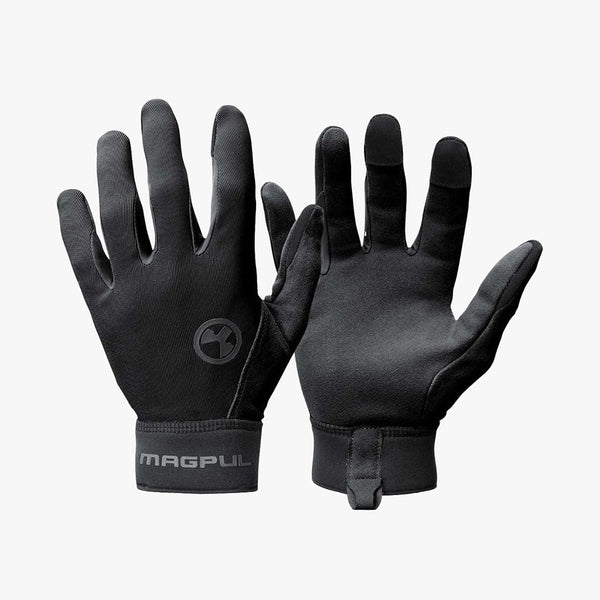
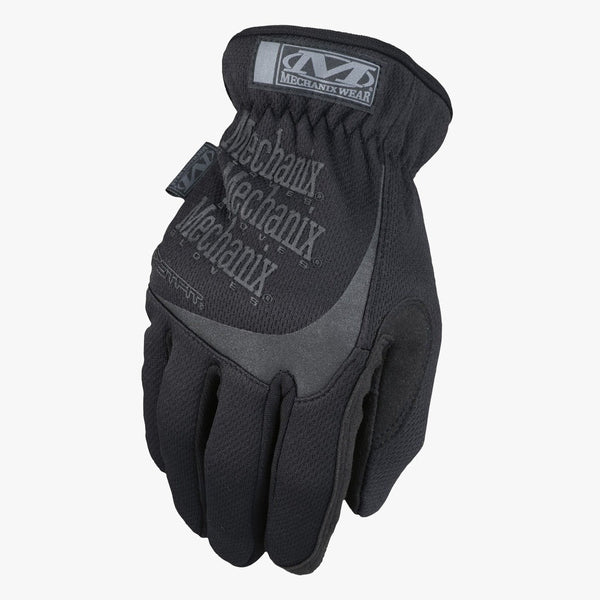
Gloves from Mechanix and Magpul, a flame-resistant balaclava, beanie and neck gaiter from Snigel, a warm fleece mid-layer and hook-and-loop patches. Garments built to be worked in for a full shift and to withstand frequent washing.
Frequently asked questions about tactical clothing
What size gloves should I choose?
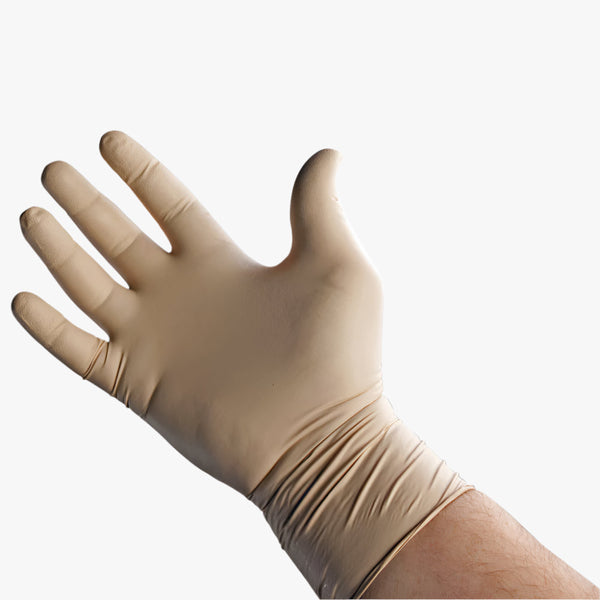
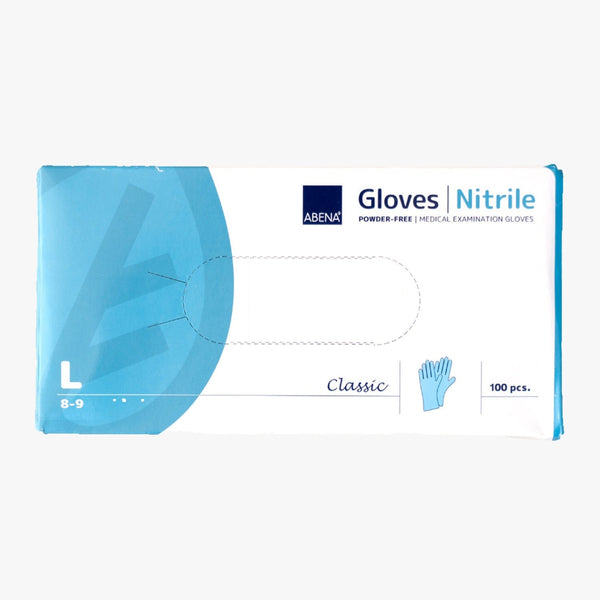
Measure the circumference of your hand across the knuckles, excluding the thumb, and compare it with the manufacturer's chart on the product page. If you are between two sizes: choose the smaller one if you want feel in your fingertips, the larger one if the glove needs to go on quickly or be worn over a thin liner glove.
What does FR mean in Snigel's garment names?
FR stands for flame-resistant, and Snigel includes it in the product name itself. Exactly what the material can withstand is stated in the manufacturer's product information — check it against your own requirements if the garment is to be worn on duty where your employer sets formal requirements for the protection.
Can the fleece jacket be worn under a vest and harness?
Yes, it is made as a mid-layer for exactly that. A fleece garment with a heavy collar or large pockets adds bulk at the shoulders and interferes with load-carrying equipment; this is the thinner version that sits underneath without pushing the straps out of position. Still, try the combination before it is needed for real, so that the harness adjustment is right.
Can I wash the flame-resistant garments as usual?
Follow the care label in the garment. As a rule: low temperature, no fabric softener and no tumble drying — fabric softener and water-repellent treatments build up in the fabric and are exactly what you don't want on a flame-resistant garment. Air-dry instead, hanging up and out of direct sunlight.