Splints
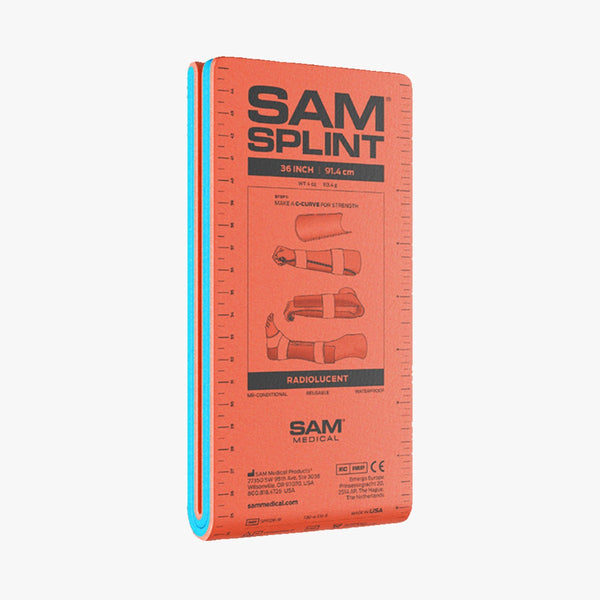
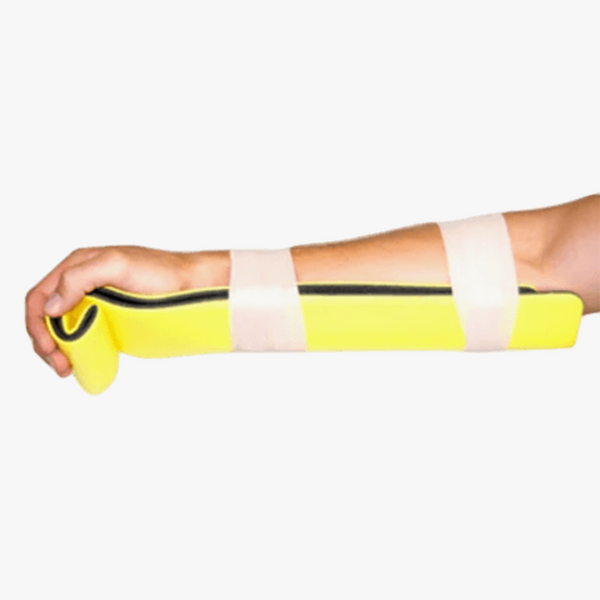
A mouldable splint stabilises a suspected fracture so that the casualty can be transported. The range covers fingers, limbs, neck and back.
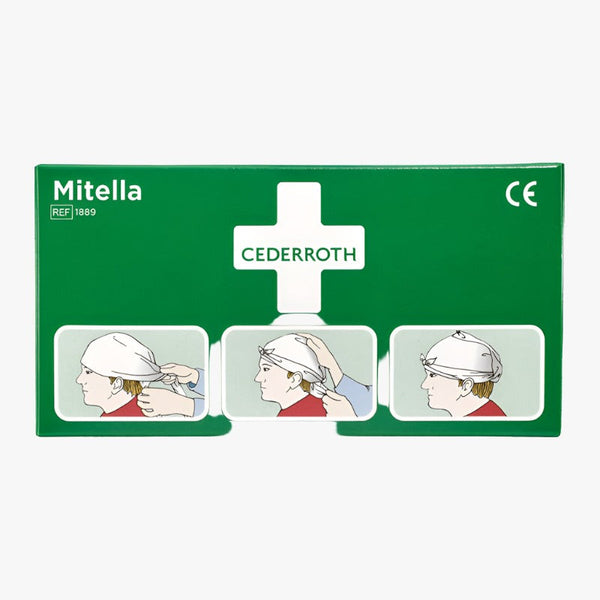
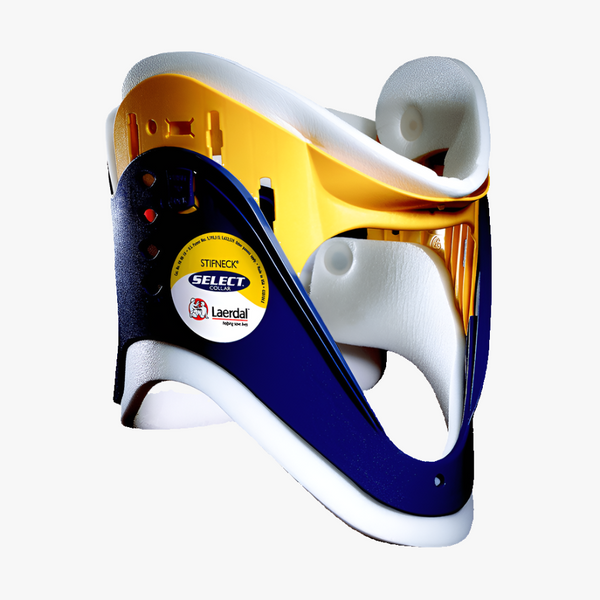
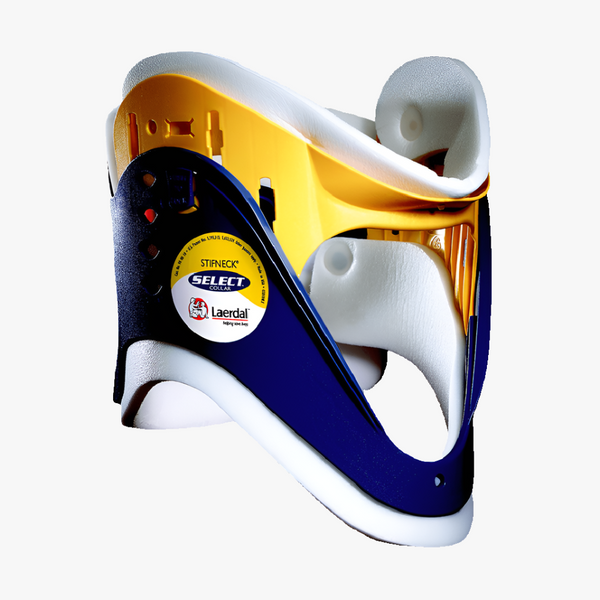
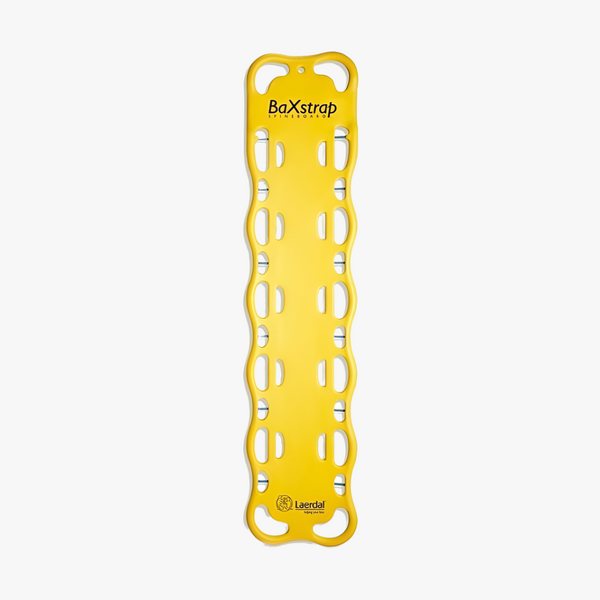
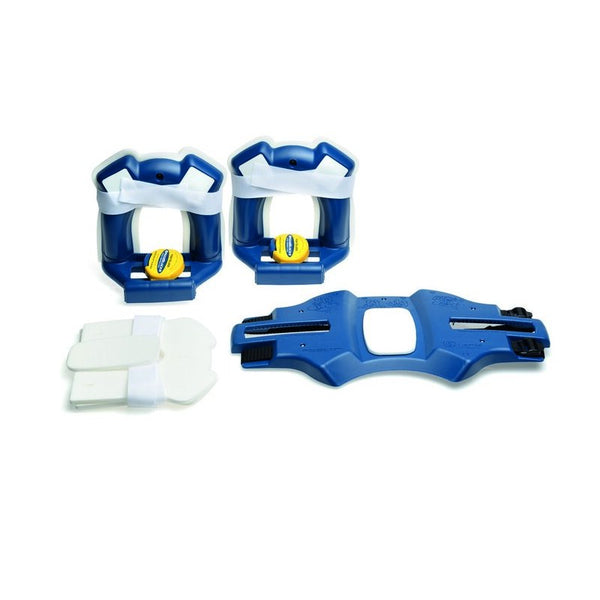
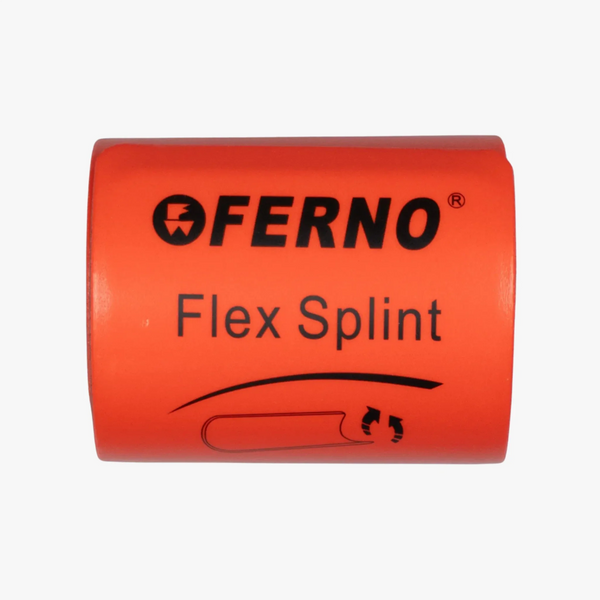
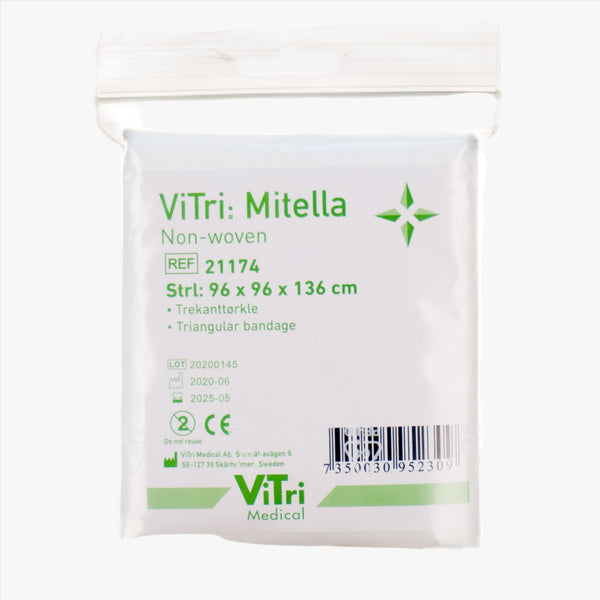
Immobilisation for everything from a broken finger to a suspected spinal injury. SAM Splint in the full range of lengths, Ferno Flex Splint, Faretec Redi Splint, Laerdal Stifneck cervical collars, the BaXstrap spineboard with accessories and triangular bandages from Cederroth and Vitri.
Splints — all products
Frequently asked questions about splints
Which length of SAM Splint should I choose?
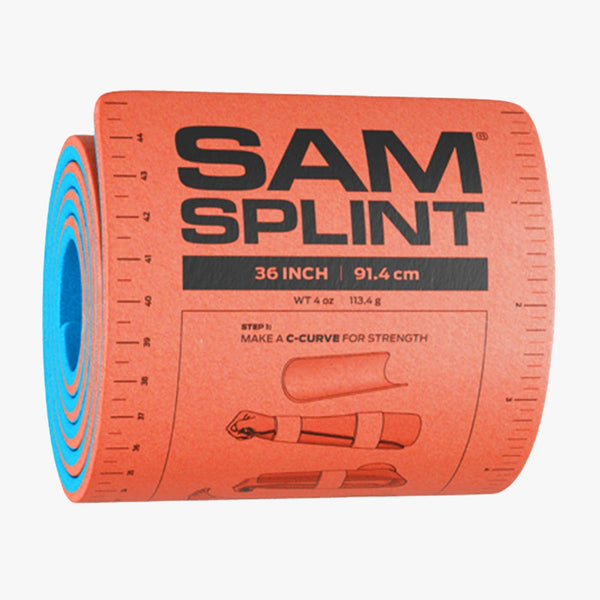
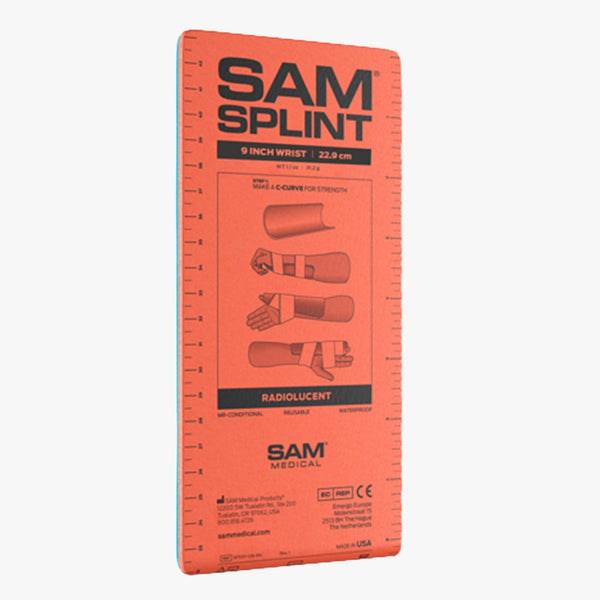
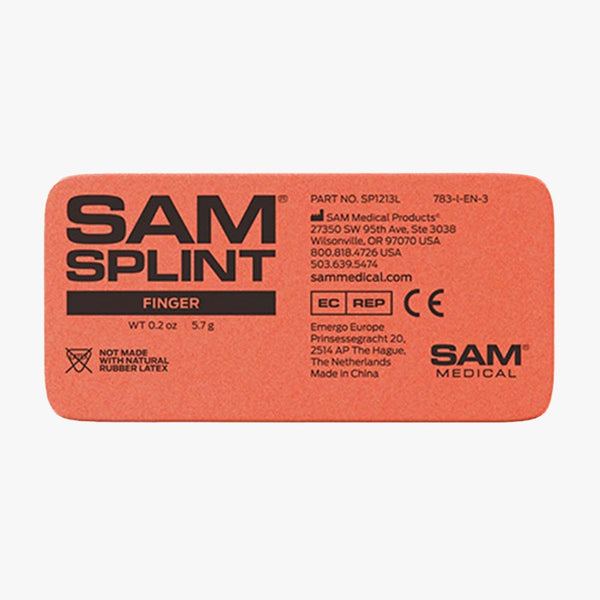
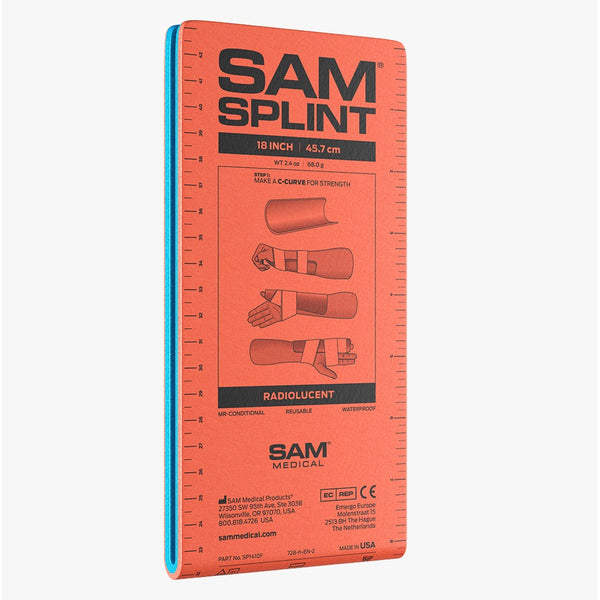
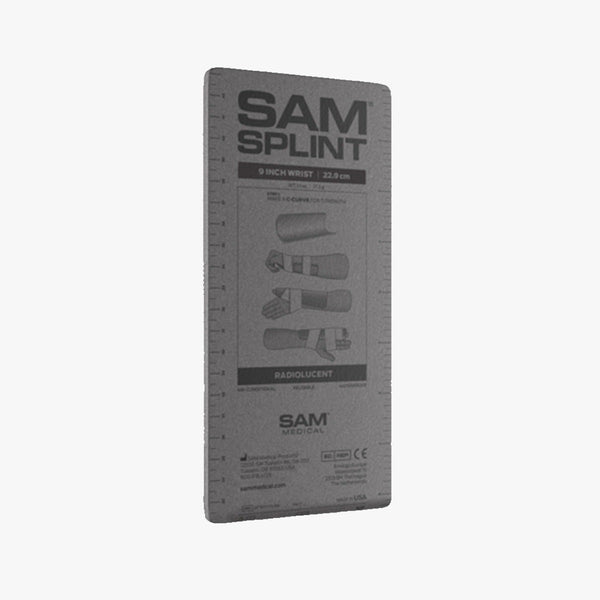
91 cm is the most versatile and can be folded or cut down for shorter applications, which makes it the first choice if you are only going to have one. 45 cm suits the forearm and lower leg and takes up less space. 23 cm and the finger splint belong in smaller kits and in workplaces.
Rolled or flat splint?
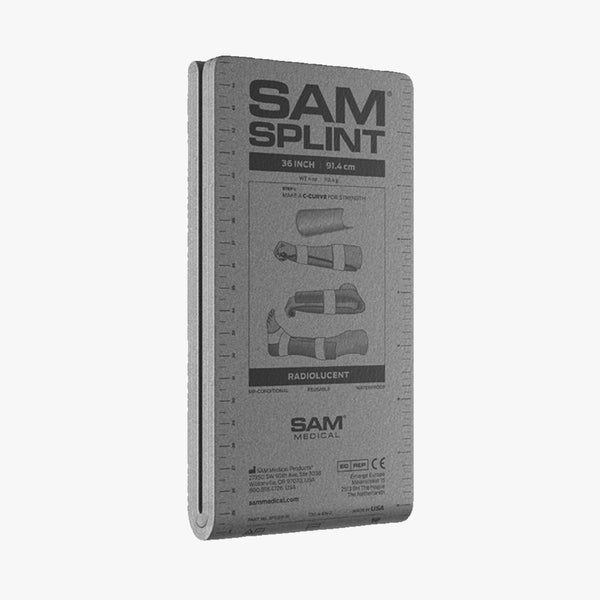
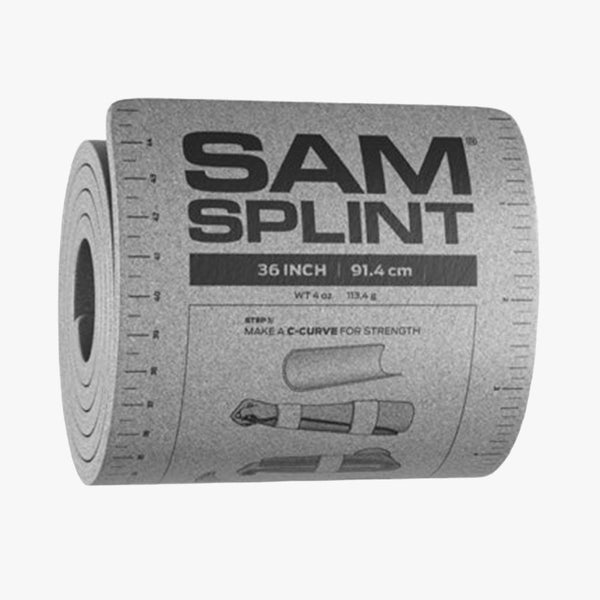
Rolled takes up the least space and fits in a pouch or in a rucksack's side pocket. The flat-folded version lies flat in a bag or against the back of a vehicle kit and is quicker to smooth out. The function is the same — it is the packing that decides.
Can a SAM Splint be reused?
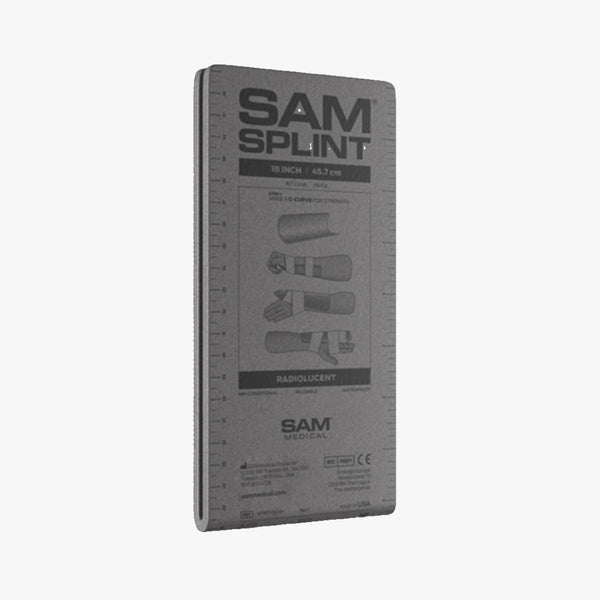
The aluminium core can be reshaped many times, and the splint can be cleaned and used again as long as the foam is intact and the core has no creases or cracks. Many people buy an extra splint specifically for training so that the real one stays smooth.
Are a cervical collar and spine board needed in a field kit?
Rarely in a personal kit — they belong in vehicles, in emergency stores and in organisations that transport casualties themselves. In a kit carried on the body, bleeding control takes priority, and immobilisation is managed with whatever is available on scene.