Trauma and bleeding control
Severe external bleeding is stopped with a tourniquet on an arm or leg, and with haemostatic dressings and pressure bandages where the tourniquet cannot reach. This is the equipment for the first few minutes.
Trauma and bleeding-control equipment for anyone who may end up far from medical care. Tourniquets, haemostatic dressings, chest seals, pressure bandages, pelvic binders and splints from North American Rescue, SAM Medical, QuikClot, H&H Medical and Tactical Medical Solutions.
Frequently asked questions about trauma and bleeding control
What is the difference between CAT Gen 7, SAM XT and SWAT-T?
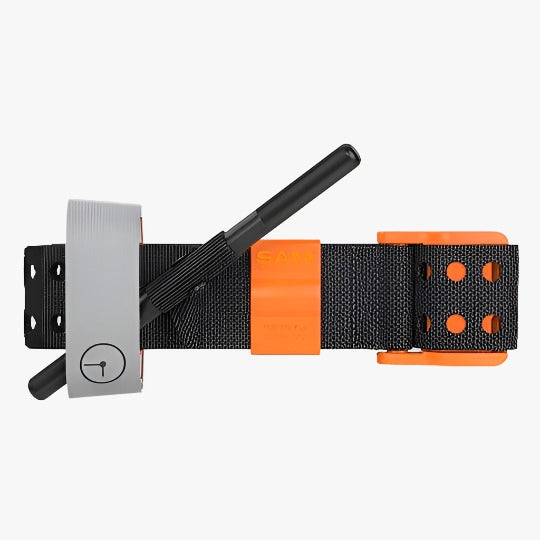
CAT Gen 7 is the most widely used windlass tourniquet and is used extensively in both military and civilian trauma care. SAM XT has a tensioning mechanism that locks the strap before you start turning the windlass. SWAT-T is a wide elastic band without a windlass that can also be used as a pressure bandage and on smaller limbs.
When are haemostatic dressings used instead of a tourniquet?
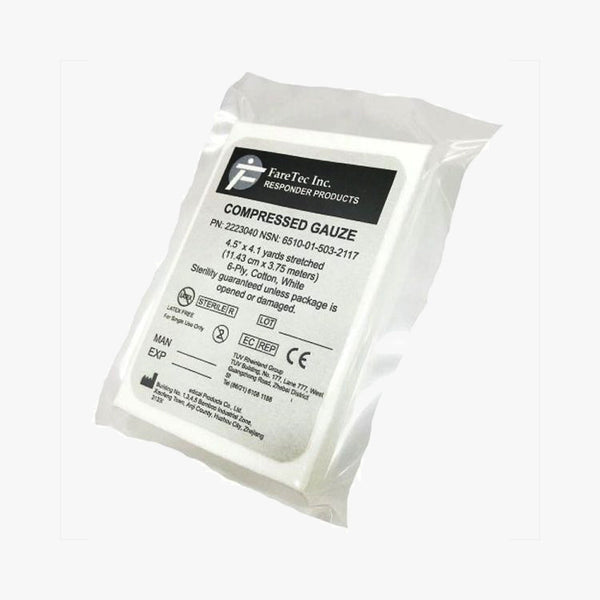
Haemostatic dressings belong where a tourniquet cannot be used — groin, shoulder, neck and torso — and are used together with pressure on the wound. A tourniquet only works on an arm or leg, where the entire limb can be constricted above the injury.
What is the difference between kaolin and chitosan dressings?
Kaolin, as in QuikClot Combat Gauze, activates the body's own coagulation cascade. Chitosan, as in ChitoSAM, adheres to the tissue and forms a clot in a way that is less dependent on the patient's own clotting ability — a difference that matters in someone taking blood-thinning medication.
Why are blue tourniquets and blue gauze sold?
The blue versions are training equipment. They look and feel like the live product but are intended to be used again and again in training, so that the real dressings stay untouched in the kit. The colour means training equipment cannot be mistaken for live kit.
What should a personal bleeding control kit contain?
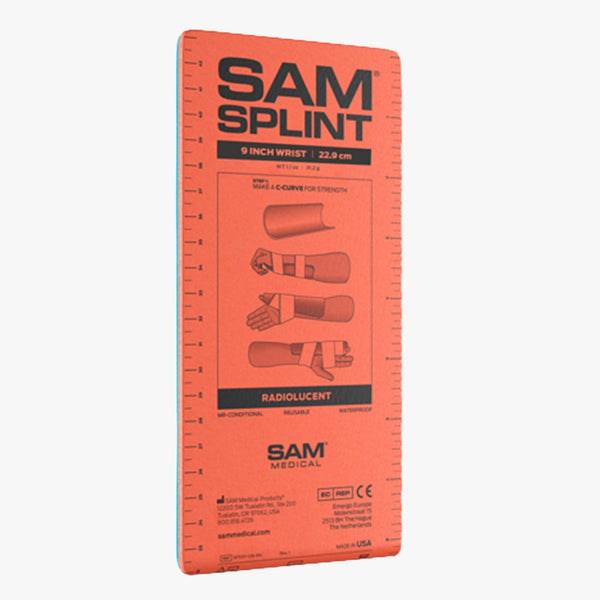
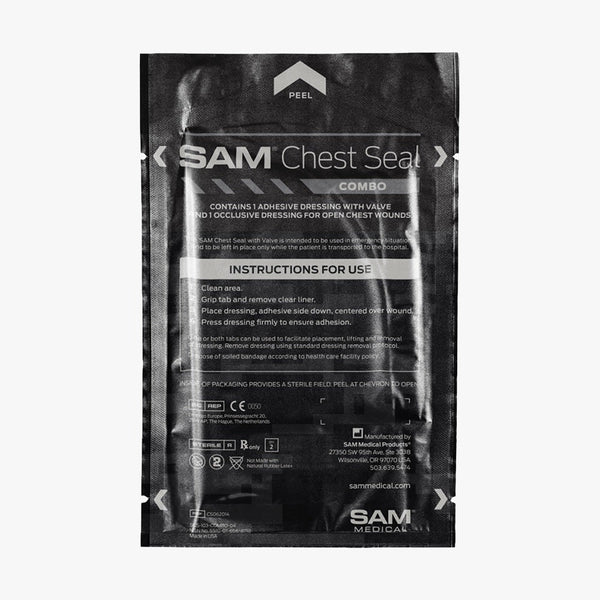
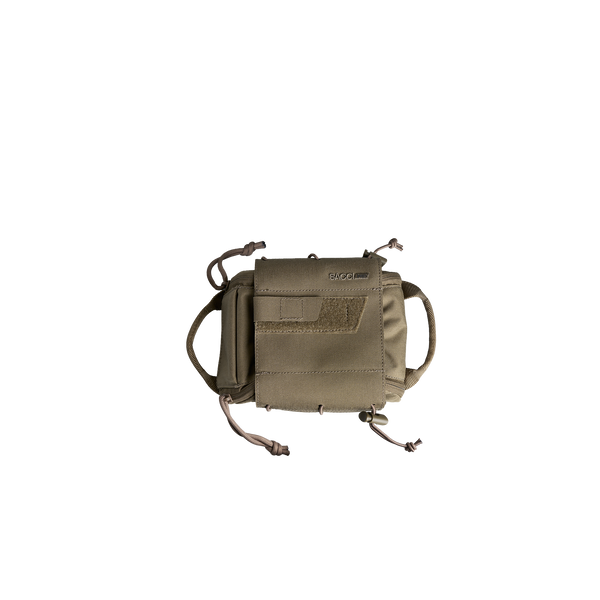
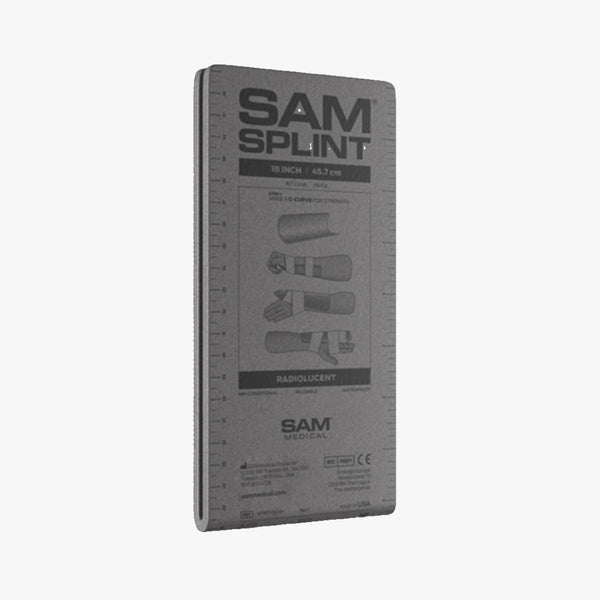
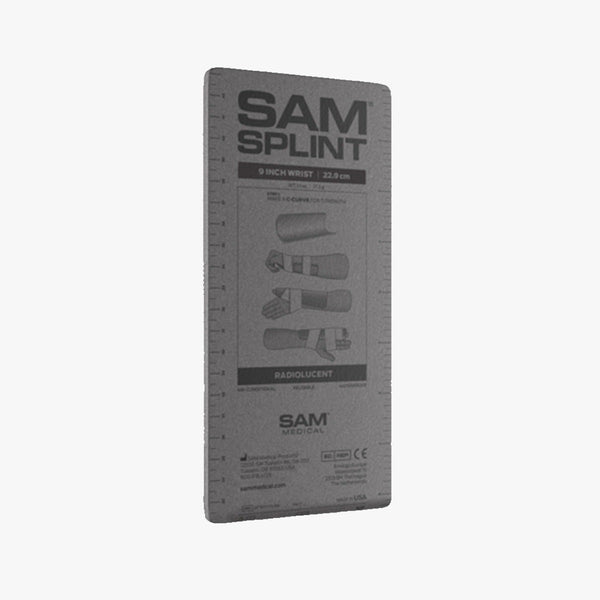
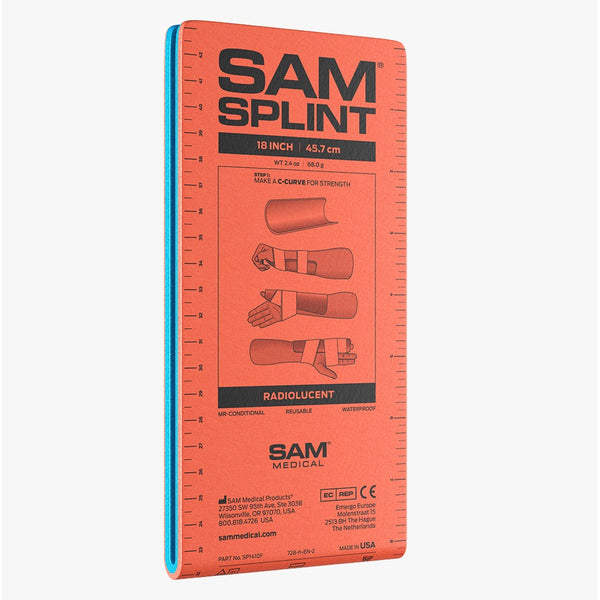
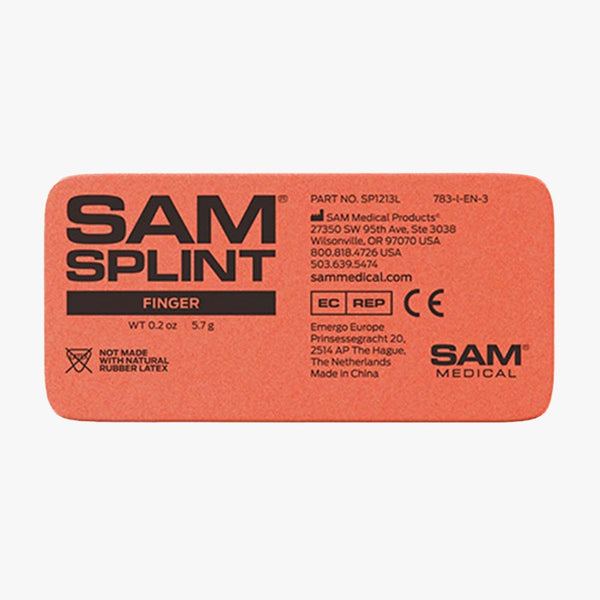
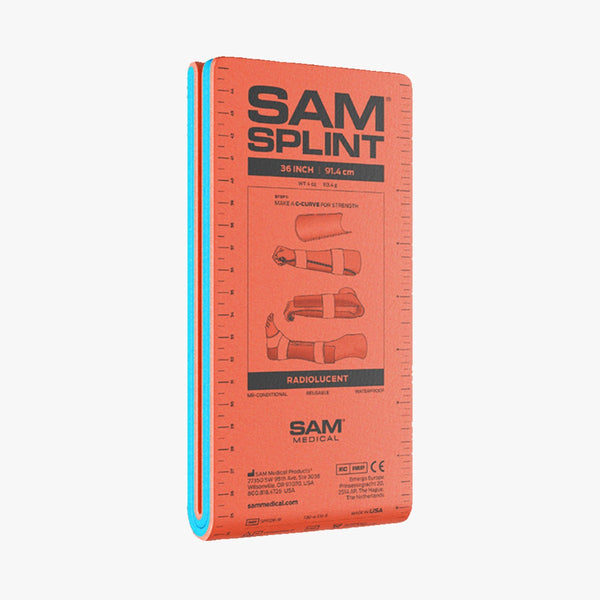
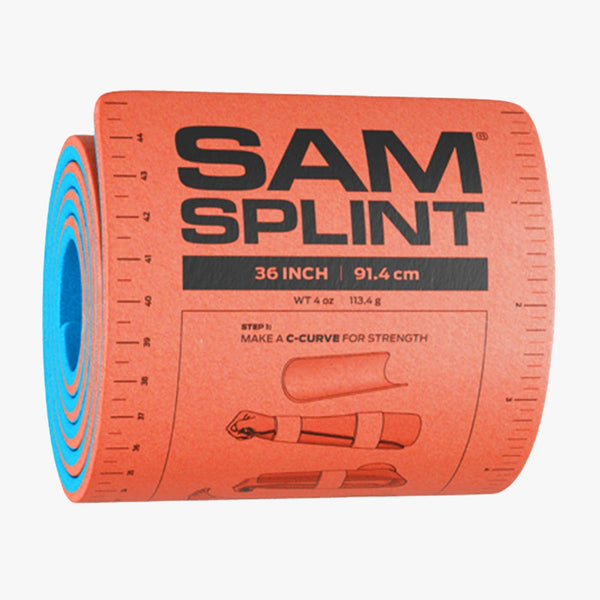
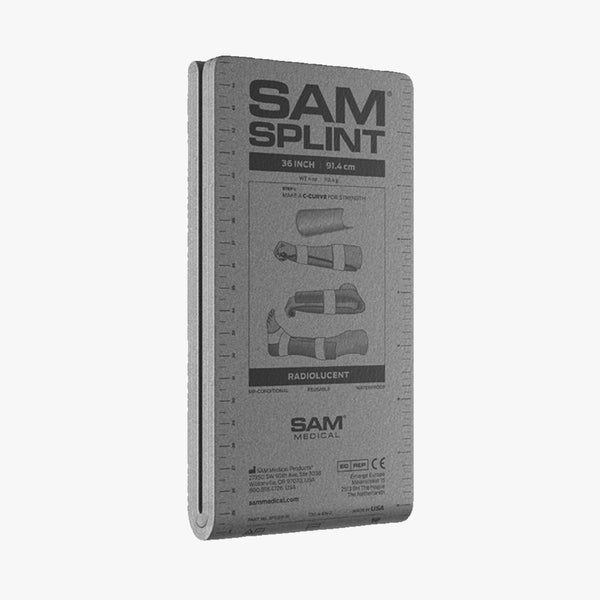
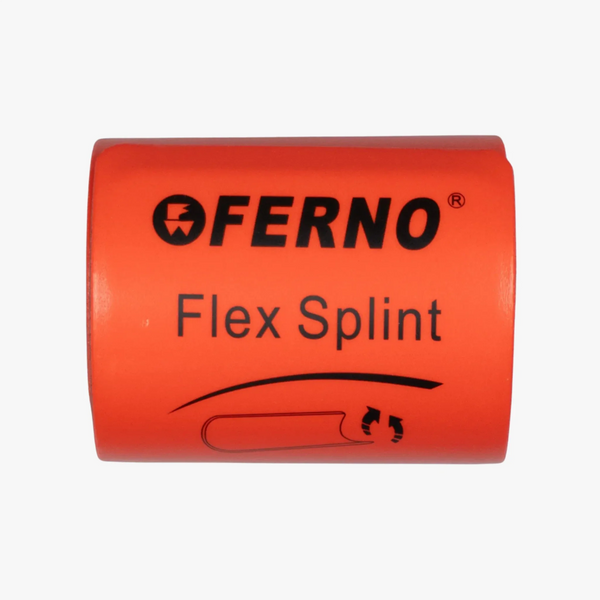
A tourniquet, a haemostatic dressing or gauze, a pressure bandage, a couple of chest seals, gloves and shears that can cut through clothing. It fits in a belt pouch. A rescue blanket belongs too if you spend time outdoors, and a splint if you travel far from roads.
Guides for Trauma and bleeding control
Comparisons of equipment in this category, written by our anaesthetists.
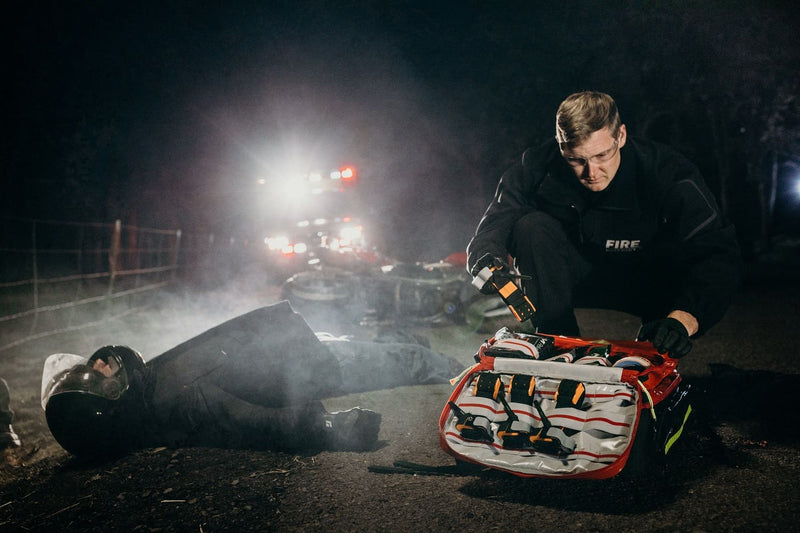
First aid in the car – legal requirements and what you actually need
Written by the Milistuff editorial team – anaesthesiologists and CPR instructors. This text is not legal advice; always check what applies to your organisation...
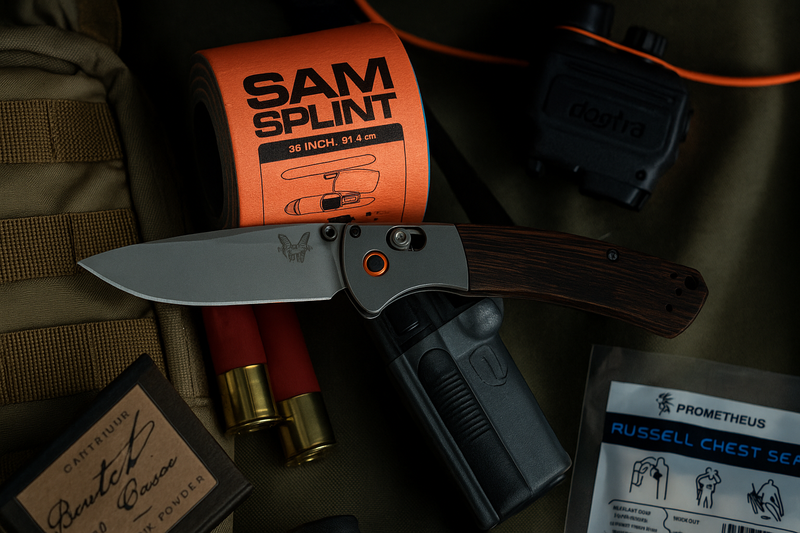
First aid kit: what goes in the bag?
Written by the Milistuff editorial team – anaesthesiologists and CPR instructors. This packing list does not replace training; only carry what you have practised...
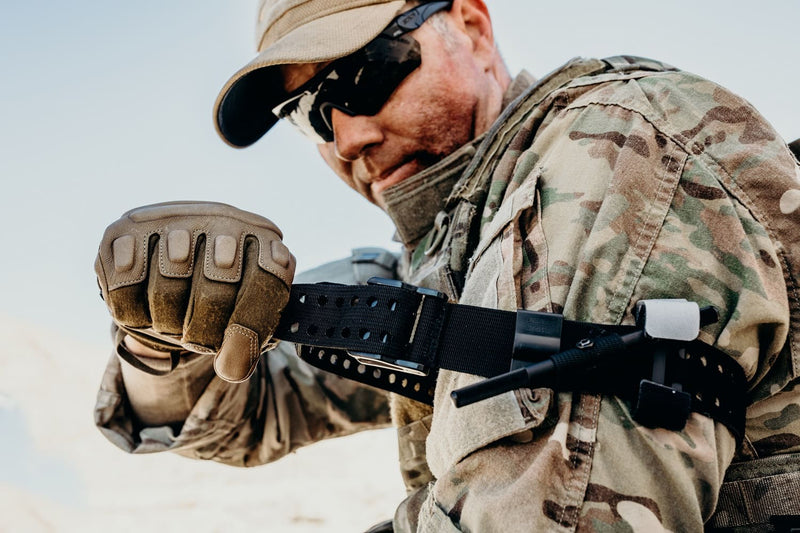
Tourniquet – which one should you choose?
Written by the Milistuff editorial team – anaesthesiologists and CPR instructors. This text does not replace hands-on training, and in a real emergency the...